 Insect Scanner
Monarch Butterfly
Danaus plexippus
Quick answer
Harmless and a protected migrant. Safety level: Harmless.
How to identify the Monarch Butterfly
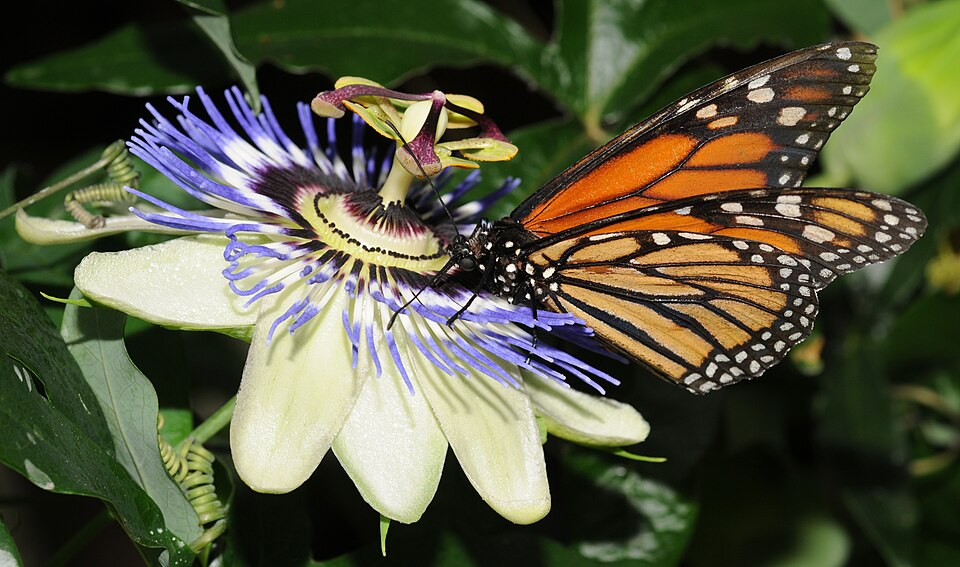
- Large orange wings with thick black veins and a black border dotted with white spots.
- Males have a small black spot on a vein of each hind wing; females have thicker veins.
- Caterpillars are striped yellow, black and white, with black tentacles at both ends.
- Size: 9–10 cm wingspan.
Where it lives
Lives across North America and has spread to Central America, the Caribbean, Australia, New Zealand and parts of Europe and North Africa. It needs milkweed plants for its caterpillars and flowering plants for nectar.
Is it dangerous?
Monarchs are harmless to touch and do not bite or sting. They do store bitter toxins from milkweed that make them distasteful to birds, so pets should not eat them. Handling the wings can rub off scales and harm the butterfly.
Not sure what bug you found?
Take a photo and Insect Scanner tells you its name, whether it is dangerous and what to do. Your first scans are free.
📷 Identify a bug from a photoChildren and pets
Safe to watch. Avoid touching the wings.
What to do
- Plant milkweed to help monarchs lay eggs.
- Let it go on its way.
Fun fact
Monarchs fly up to 4,800 km to spend winter in Mexico.
Frequently asked questions
Why are monarch butterflies in danger?
Loss of milkweed, pesticides, climate change and the loss of winter forests in Mexico have reduced their numbers.
How can I help monarchs?
Plant native milkweed and nectar flowers and avoid pesticides in your garden.
Is it safe to touch a monarch butterfly?
It is safe for you, but touching the wings can damage them. Just watch it.
Related reading
Updated 2026-11-12